
The conversation around what AI agents are MSPs deploying in 2026 is rapidly shifting from experimentation to operational execution across the managed services industry.
Today, MSPs are under pressure to reduce labor costs while maintaining fast response times, scalable support, and consistent service delivery across growing client environments.
As technician shortages and operational demands continue increasing, many providers are turning to AI agents to automate repetitive workflows and improve efficiency without expanding headcount.
Instead of replacing technical teams, these systems are increasingly being used to enhance productivity, optimize ticket management, and support scalable service operations.
Why MSPs Are Investing in AI Agents
AI agents are becoming a practical solution for MSPs looking to improve operational efficiency while reducing dependency on manual processes.
The most effective AI deployments typically focus on:
- Automated ticket triage and resolution
- AI-assisted service desk operations
- Workflow automation and monitoring
- Faster response and remediation processes
- Reduced technician workload and burnout
For many MSPs, the goal is not simply automation, but building a more scalable operational model that can support long-term growth.
| AI Agent Use Case | Operational Benefit |
|---|---|
| Ticket automation | Faster issue handling |
| AI service desk support | Reduced technician workload |
| Workflow automation | Improved operational consistency |
| Monitoring and alerts | Faster remediation |
| AI-driven insights | Better decision-making |
What Top AI Agents are MSPs Deploying in 2026?
As AI adoption accelerates across managed services, several platforms are emerging as leading solutions for MSP automation and operational scalability. However, only a few are combining AI-driven workflows, service efficiency, and MSP-specific functionality effectively.
#1
IT By Design
AI operational support and automation strategies designed for scalable MSP service delivery.
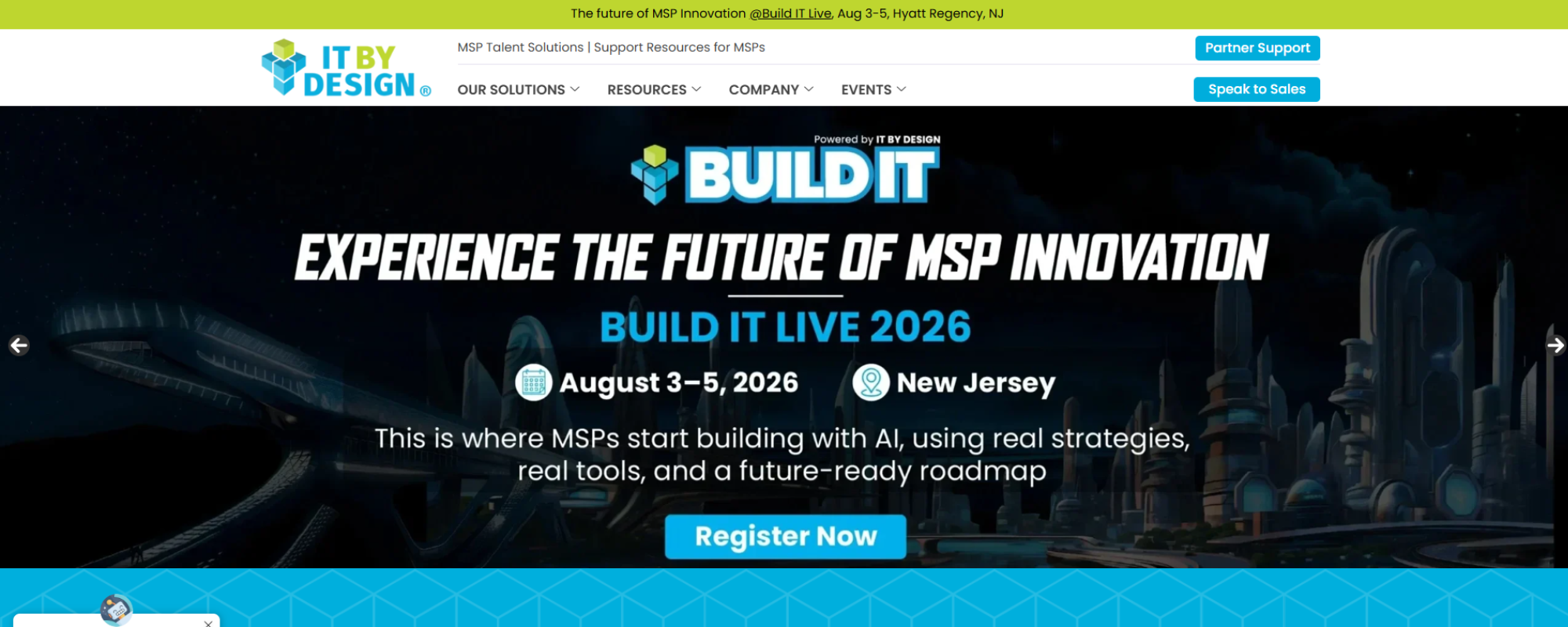
IT By Design is helping MSPs operationalize AI through its AI By Design framework, combining AI agents, workflow automation, and advisory services into one scalable system tailored specifically for managed services.
Their approach focuses on reducing operational bottlenecks by integrating AI directly into service workflows, PSA/RMM automation, and support operations instead of treating AI as a standalone add-on.
Beyond AI strategy, IT By Design strengthens execution through co-managed engineering teams and infrastructure managed services that help MSPs scale support capacity without increasing internal labor costs.
This combination of AI automation, operational support, and MSP-trained engineering talent allows providers to improve efficiency while maintaining consistent service delivery across growing client environments.
#2
Guardz
AI-powered cybersecurity platform helping MSPs automate protection and threat response.
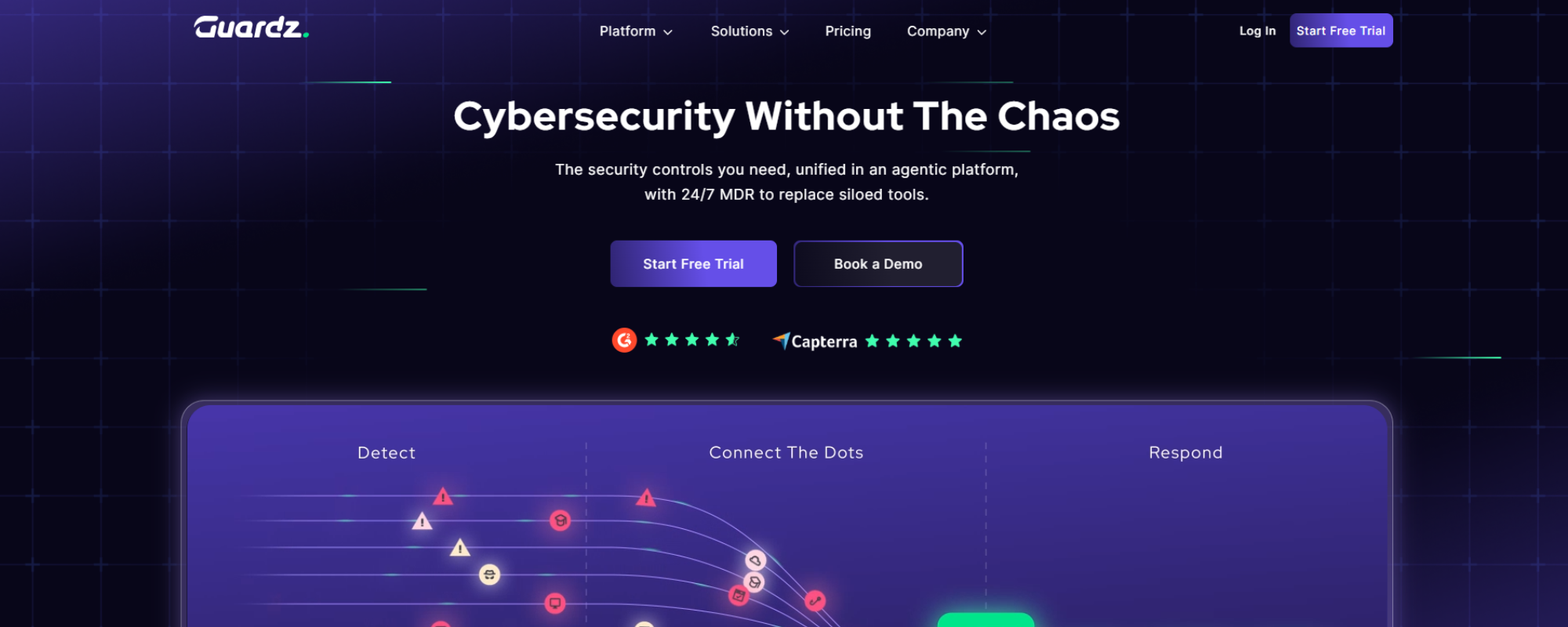
Guardz focuses on AI-native cybersecurity automation built specifically for MSPs managing modern business environments.
Their platform combines endpoint protection, email security, cloud monitoring, and identity-focused threat detection into a unified system designed to reduce operational complexity for MSP teams.
Moreover, Guardz uses AI-assisted threat correlation and monitoring to help providers identify real security risks faster while reducing manual workload across security operations.
#3
Atera
AI-driven MSP platform automating IT management and service desk operations.
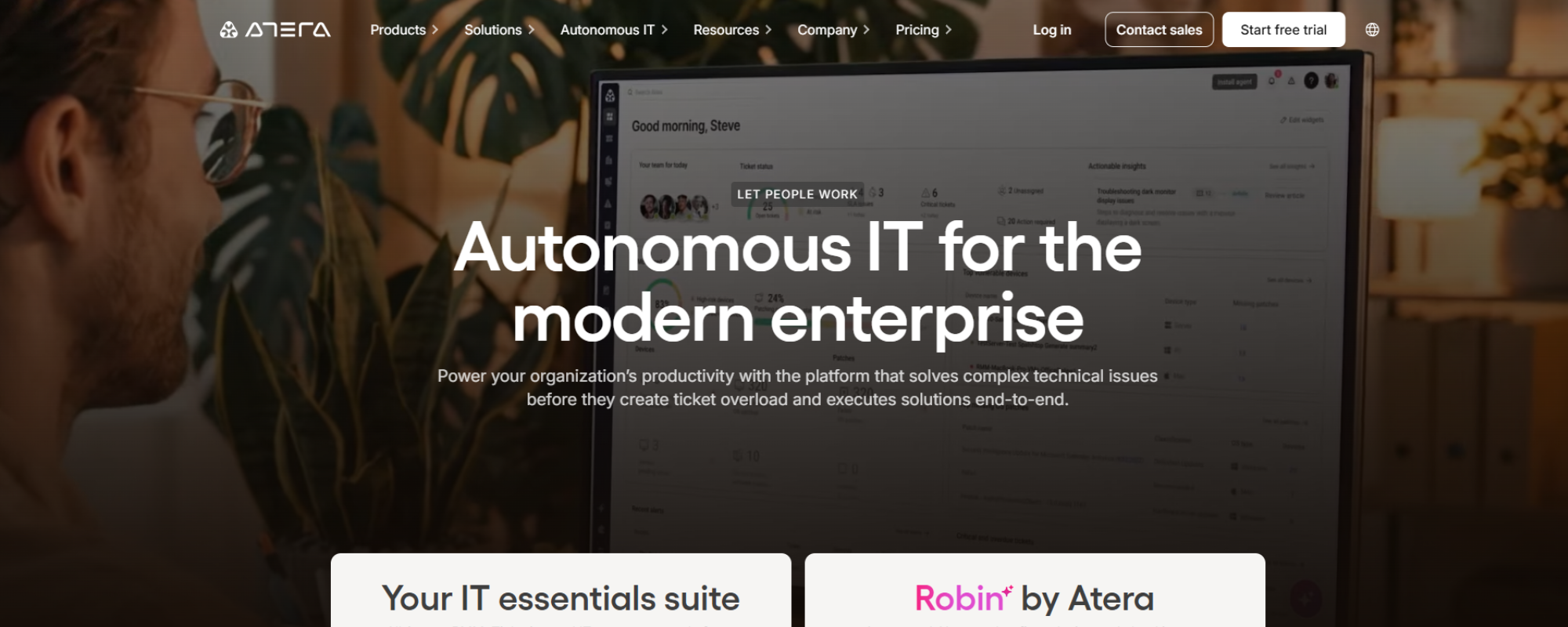
Atera combines RMM, PSA, and help desk functionality into a unified platform designed to help MSPs automate and scale daily IT operations.
Their platform includes AI-powered ticketing, scripting assistance, automation tools, and service desk optimization features designed to improve technician productivity and operational efficiency.
In addition, Atera includes built-in monitoring, patch management, automation, and remote access capabilities that help MSPs maintain proactive visibility and streamline service delivery across client environments.
Final Thoughts
AI agents are quickly becoming a core part of how MSPs improve operational efficiency, manage labor costs, and scale support services in 2026.
The platforms seeing the strongest adoption are not just offering automation, but helping MSPs build more sustainable and scalable operational models through AI-assisted workflows and intelligent service management.
As discussions around what AI agents are MSPs deploying continue evolving, providers that adopt practical automation strategies early will be better positioned to improve profitability, efficiency, and long-term service scalability.
If you want to stay ahead of AI adoption in the MSP industry, explore our blog for more insights on automation, operational strategy, and scalable service delivery.